Peter Paul Rubens
Last updated
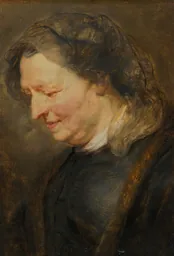
Head Study of an Old Woman
Exploring a lean medium (3 parts Gamsol, 1 part Rublev Pale Drying Oil). Working on controlling thick and thin paint better.
Worked on a study of Head Study of an Old Woman by Peter Paul Rubens.
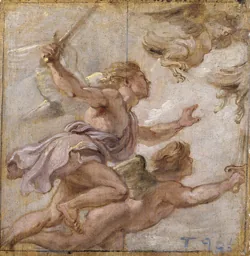
The Persecution of the Harpies
Painted a study of The Persecution of the Harpies using the new lean medium, focusing on making use of the yellow ochre ground.

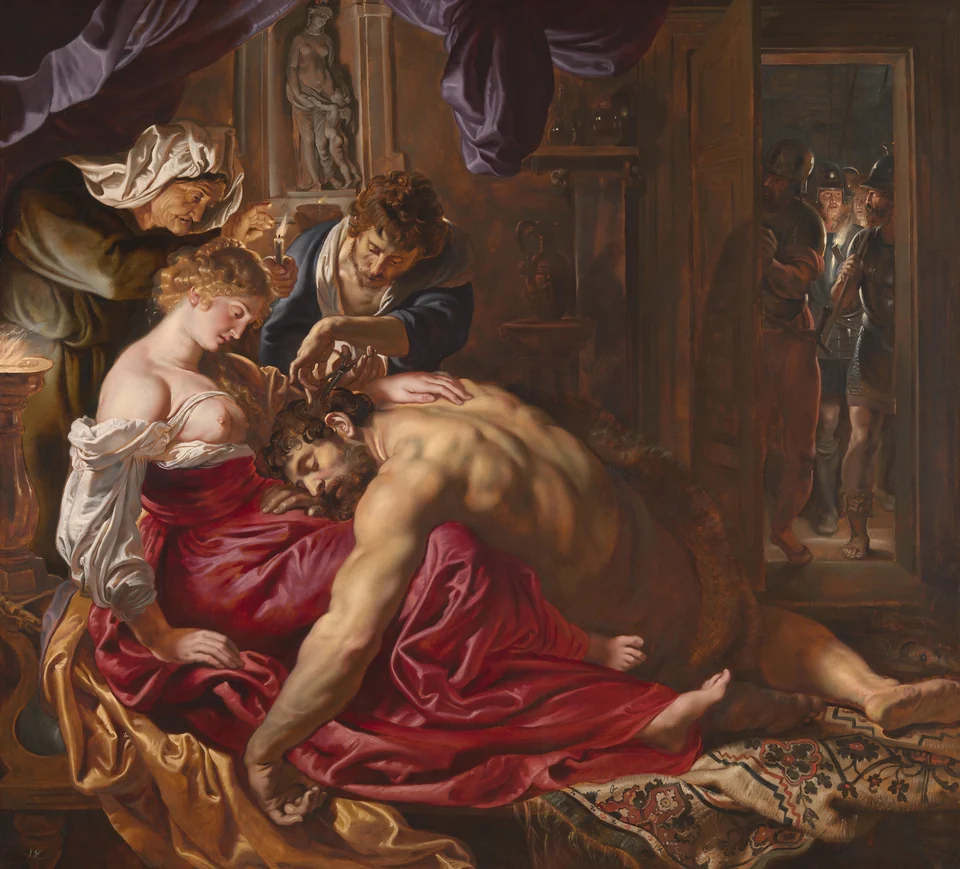
Samson and Delilah
Samson and Delilah is special to me because it helped me understand how thick and thin paint work together.


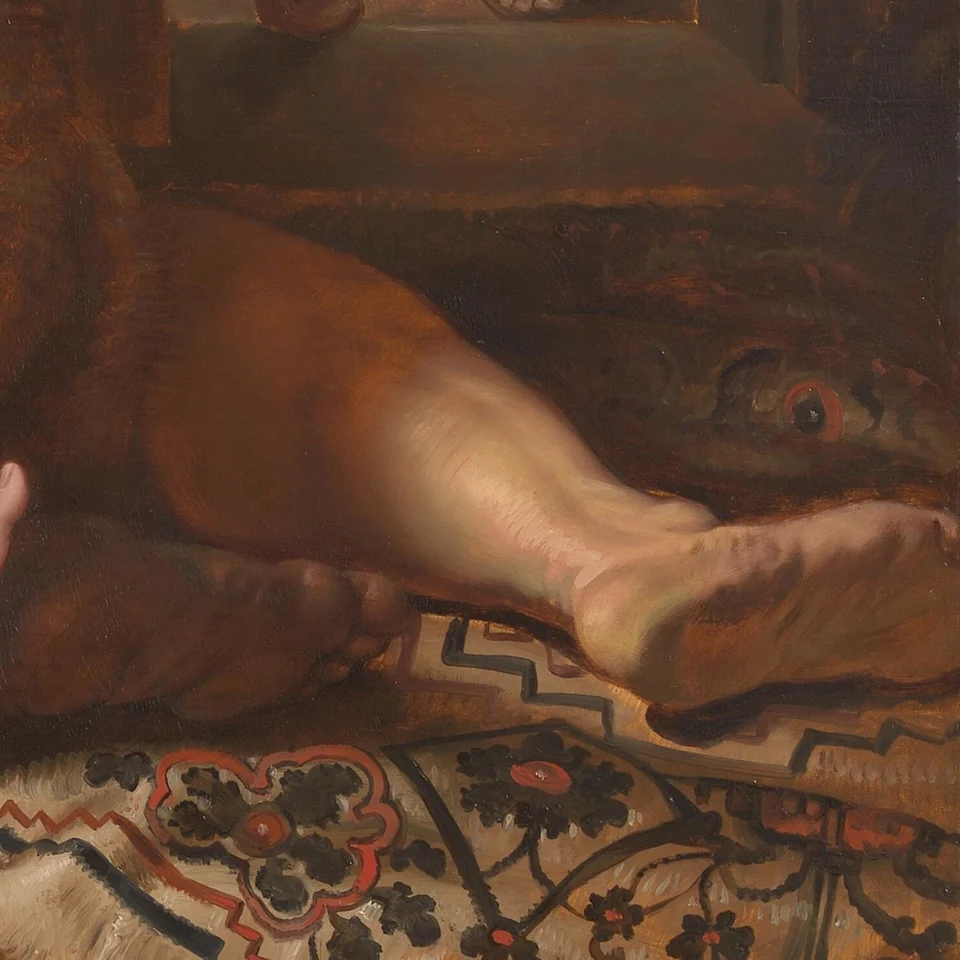
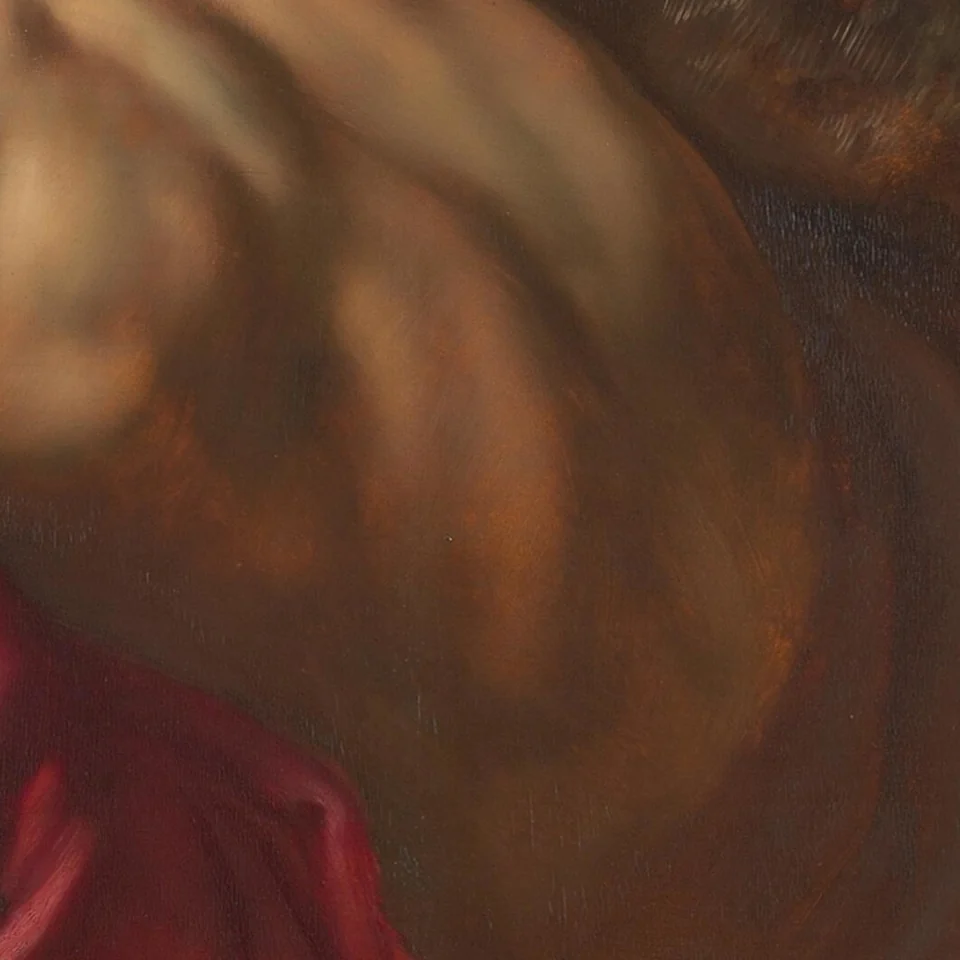
Leg Detail
It took me a long time to notice what the leg detail shows: the shadows are painted thinly, allowing the yellow ground to show through. Only the areas in light are opaque.
Back Detail
It took me even longer to recognize paint thickness as another variable I could control. The back detail shows the same interplay between thick and thin paint.
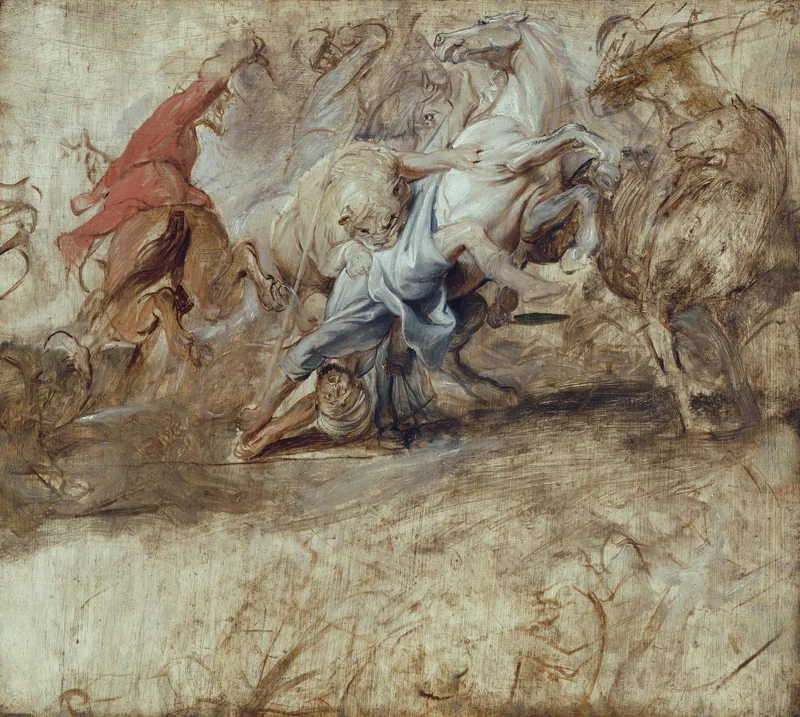
Lion Hunt (Oil Sketch)
This oil sketch shows the imprimatura and how rough sketches can be. The use of the ground and the painting approach are like drawing on toned paper.
Rubens: Painter of Sketches
Lammertse, Friso, and Alejandro Vergara. Rubens: Painter of Sketches. Rotterdam: Museum Boijmans Van Beuningen; Madrid: Museo Nacional del Prado, 2018. ISBN 978-84-8480-471-0.
Pages 158–159
Oil sketch (page 158) and painting (page 159) of The Discovery of Achilles Among the Daughters of Lycomedes.
Page 211
Oil sketch and painting of Prometheus.
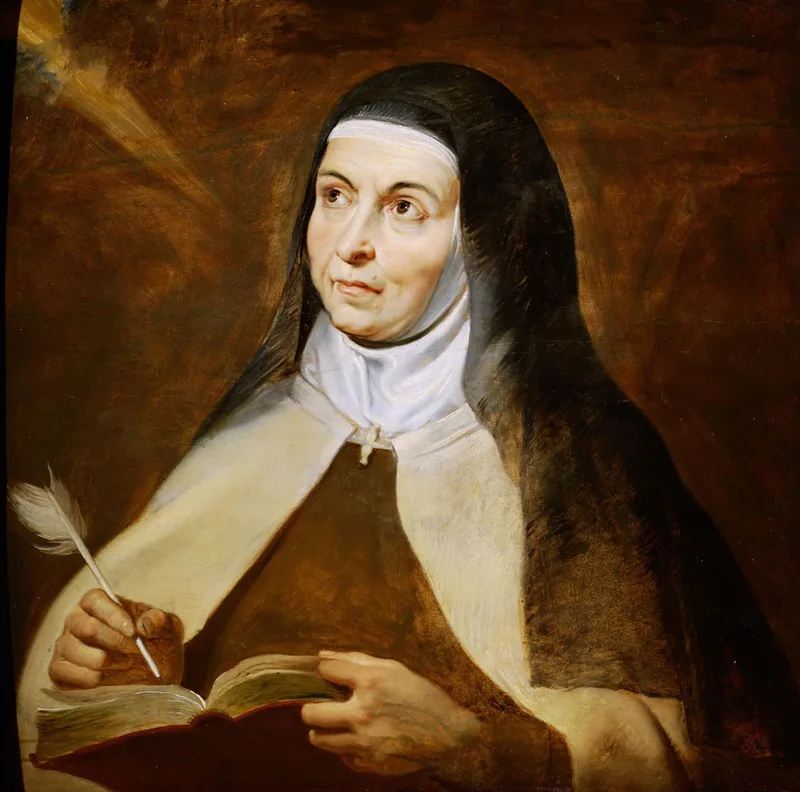
St. Teresa of Avila
St. Teresa of Avila is also a good example of how Rubens used the ground in a painting to focus our attention on opaque, lighted passages and make us feel the lighting.
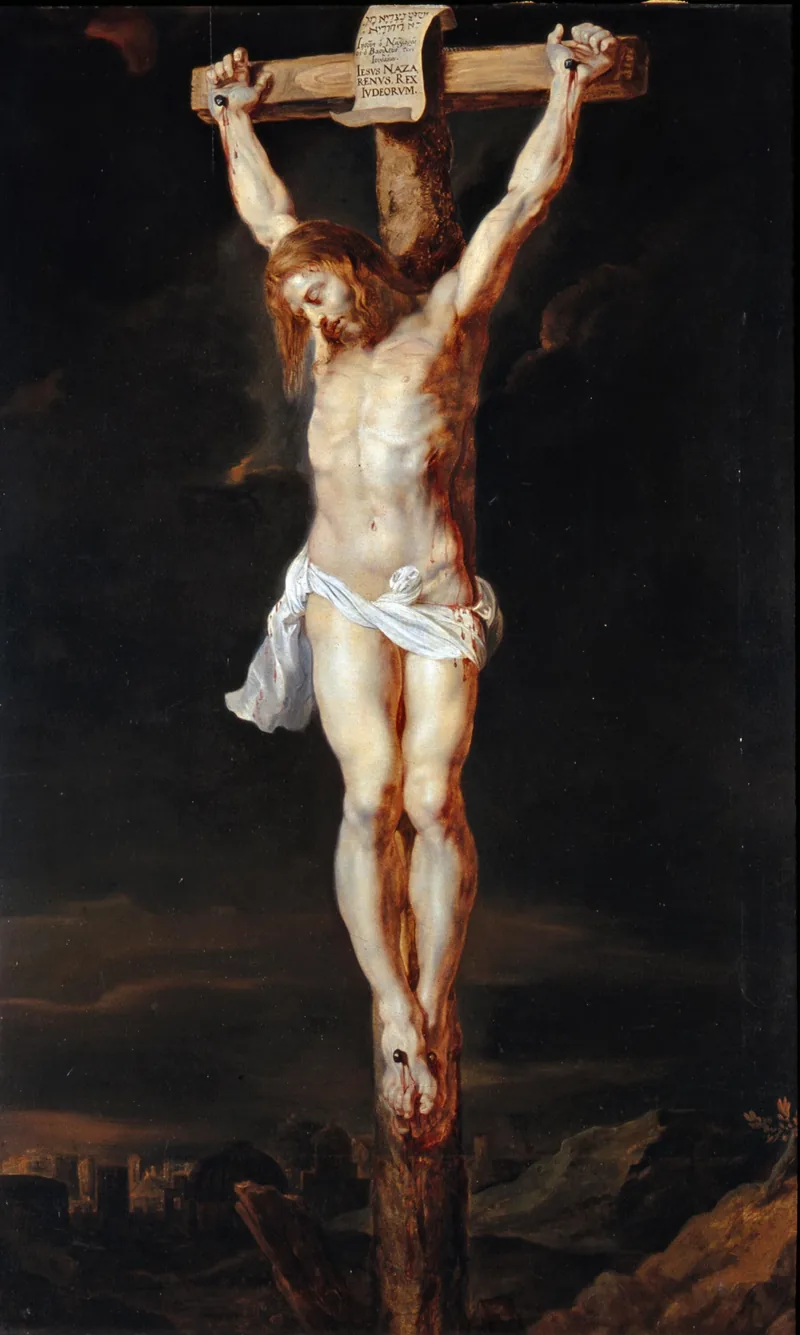
Christ on the Cross
Painted a study of a hand in Rubens’s Christ on the Cross.
Imprimatura Colors
| Imprimatura Colors | Reference |
|---|---|
| Grey — lead white and charcoal black. | Stols-Witlox (2014), p. 336 |
| Warm browns — umber and/or red or orange earth pigments with lead white and charcoal black. Chalk also occurs in some imprimaturas. | Stols-Witlox (2014), p. 336 |
| Yellow-brown — Samson and Delilah: lead white and raw umber. | Stols-Witlox (2014), table 15.1, p. 399, citing Plesters (1983), p. 36. |
| Grey-black, providing a grey-beige middle tone — Achilles sketches: charcoal black and chalk, with occasional lead white and red ochre particles. Composition varies between panels; one examined sample lacked red ochre and distinct lead-white particles. | Boersma, van Loon, and Boon (2007), pp. 82–83 |
Boersma, A., A. van Loon, and J. J. Boon. “Rubens’ Oil Sketches for the Achilles Series: A Focus on the Imprimatura Layer and Drawing Material.” ArtMatters 4 (2007): 82–89.
Plesters, Joyce. “‘Samson and Delilah’: Rubens and the Art and Craft of Painting on Panel.” National Gallery Technical Bulletin 7 (1983): 30–49.
Stols-Witlox, Maartje. “Historical Recipes for Preparatory Layers for Oil Paintings in Manuals, Manuscripts and Handbooks in North West Europe, 1550–1900: Analysis and Reconstructions.” PhD diss., University of Amsterdam, 2014.